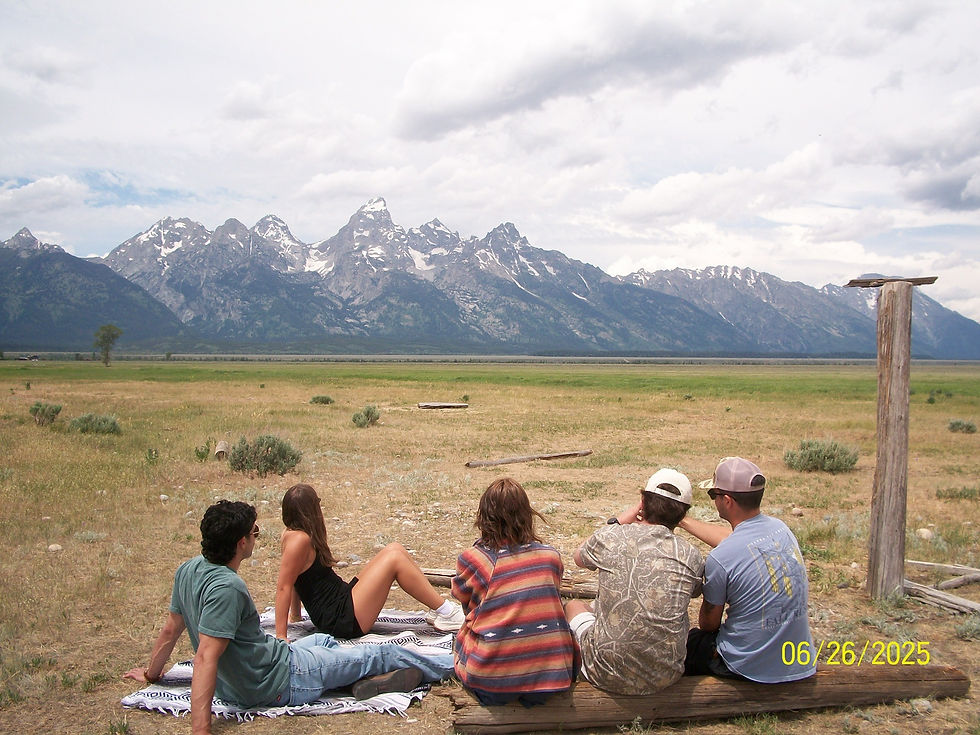
Inside the Dude Ranchers' Association
Updated: Aug 15
A century after ranchers first organized to preserve life in the American West, the tradition of dude ranching is still riding on.
BY KAY ESPOSITO, MAY 12
WESTERN TRAVEL

A century ago, travelers from the East started showing up out West looking for something they couldn’t find at home. Fresh air. Open land. Horses. Maybe a little adventure. Ranchers, many of whom were already scraping out a living in tough country, realized they could offer visitors a place to stay and a taste of life under wide western skies. Before long, “dude ranching” became its own kind of American escape.
Now, 100 years after ranchers formally organized to protect and promote that way of life, the Dude Ranchers' Association is celebrating a milestone few tourism groups can claim: a full century of operation.
Founded Sept. 27, 1926, the association was created to bring ranch owners together, establish quality standards and preserve what was already becoming a uniquely American travel experience.
Today, the organization represents 91 accredited dude ranches spread across the American West, from Montana valleys and Wyoming basins to desert country farther south. And while the boots may be newer and the guests now arrive with smartphones instead of steamer trunks, the basic appeal hasn’t changed much. People still come looking for space.
This milestone represents a century of stewardship
“For generations, ranchers have shared their way of life with guests from around the world, preserving both the land and the spirit of the West," Executive Director Bryce Albright stated in a statement announcing the anniversary celebration.
The organization plans to spend much of 2026 looking backward and forward at the same time.
Among the biggest anniversary projects is 100 Years of Dude Ranching, a photo-driven coffee table book produced alongside the Ranch Preservation Foundation. The book features 26 historic and modern ranches and includes photography from Scott T. Baxter and writing by historian Lynn Downey.
In June, the Dude Ranch Museum in Cody will open The Wrangle, a photography exhibit documenting dude ranch culture and western landscapes through Baxter’s lens. The exhibit runs through Sept. 27, the association’s official centennial date.
There’s also a documentary, Call of the West, produced by Wyoming PBS, which explores the history of dude ranching and the families still keeping the tradition alive in a rapidly modernizing West.
Other anniversary partnerships lean more playful. The association teamed up with Durango Boots on a commemorative boot collaboration tied to National Day of the Cowboy celebrations later this summer. But beyond the events and merchandise, the anniversary carries a deeper meaning for many ranch owners.
Dude ranches occupy an unusual place in American culture. They’re part working landscape, part hospitality business and part-time capsule. Guests ride horses across mountain trails, eat meals in lodges that may be more than a century old and spend evenings around campfires under skies mostly untouched by city light. For many families, ranching traditions have been passed down through multiple generations. So have the guest books.

Some visitors return every year. Others bring children and grandchildren back to the same ranches they visited decades earlier. In an era dominated by fast travel and algorithm-fed itineraries, dude ranches remain authentically western.
You show up. You ride. You unplug. That simplicity has helped the industry survive economic downturns, changing tourism habits and the steady disappearance of open western land. It has also turned dude ranching into one of the country’s earliest forms of agritourism, long before the term became trendy in travel marketing.
The association itself operates as a nonprofit focused on preserving western heritage, maintaining hospitality standards and supporting sustainable land stewardship practices.
Member ranches go through an inspection and approval process before joining, part of an effort to make sure guests still receive what the association considers an authentic ranch experience. That can mean different things depending on the ranch.
Some specialize in cattle drives and horsemanship. Others focus on fly-fishing, hiking or family vacations built around slower days outdoors. But the common thread is immersion, a temporary trade of schedules and screens for dirt roads, river crossings and long rides under open sky.
In many ways, the centennial arrives at a moment when that kind of travel feels more relevant than ever.

More travelers are looking for places where cell service drops away, where mornings begin with coffee on a porch instead of traffic reports and where the day’s plans depend more on weather than notifications.
That’s been the draw all along. Long before wellness retreats and digital detoxes became tourism buzzwords, ranchers across the West were quietly offering visitors something simpler: a chance to step into a different rhythm for a while.
As the centennial celebrations continue through the year, ranch owners say the anniversary is less about nostalgia and more about continuation. Many of the landscapes tied to dude ranching have changed over the last century, shaped by development, drought, shifting economies and changing ideas about travel. Yet across much of the West, these ranches remain tied closely to the land around them.
That relationship is part of what separates a dude ranch vacation from many modern travel experiences. Guests are not simply passing through for a photo opportunity or a quick weekend stop.
At many ranches, days are structured around weather, livestock, trail conditions and the natural rhythm of the landscape itself. Horses still need to be saddled before sunrise. Fences still break. Afternoon storms still roll across the mountains without much warning.
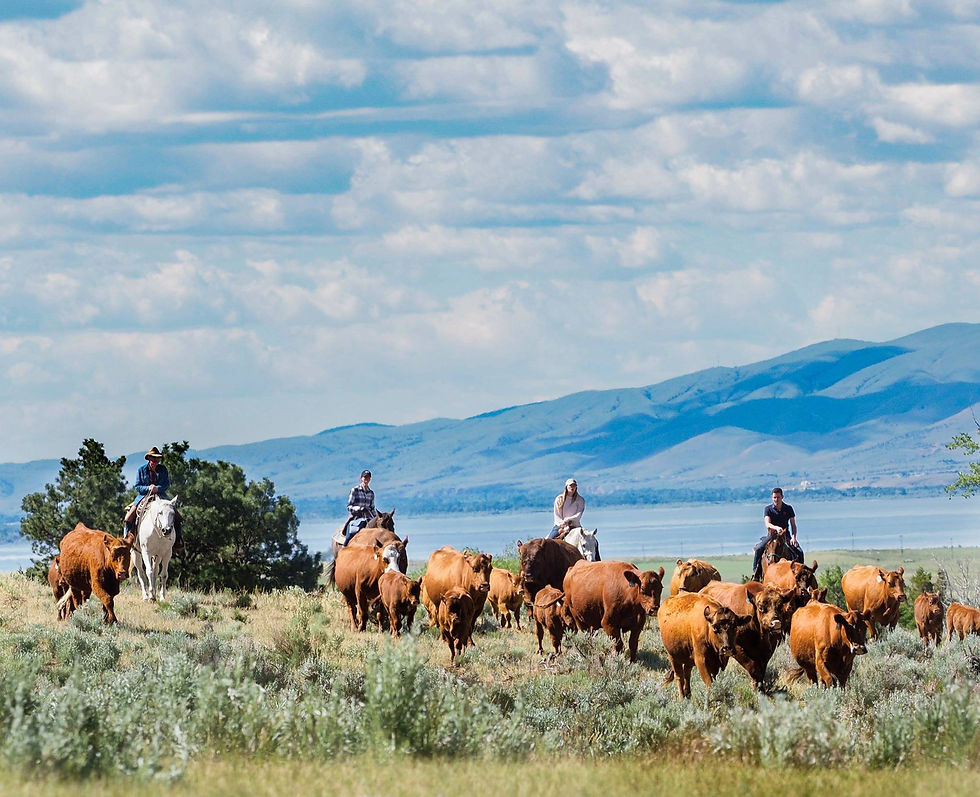
For visitors arriving from cities and suburbs, that unpredictability often becomes part of the appeal.
The experience can be surprisingly quiet. No packed itineraries. No long lines. Just early mornings, dust on boots and hours spent outside. Some guests spend days riding through alpine meadows or desert canyons, while others settle into slower routines built around fishing, hiking or sitting on a lodge porch watching the light change across a valley.
In places like Wyoming, Montana and Colorado, dude ranches also continue serving as gateways to some of the country’s most open and ecologically important landscapes. Large ranch properties often border national forests, wilderness areas and public lands, helping preserve migration corridors and undeveloped habitat that might otherwise disappear under expanding development.
That connection between tourism and conservation has become increasingly important to ranch owners navigating the future of western land use.
For some families, keeping a ranch operational through tourism has allowed them to hold onto land that may otherwise have been sold or subdivided. Guests may arrive for horseback riding and campfires, but many leave with a deeper understanding of how ranching, wildlife and stewardship remain connected across the modern West.

The association hopes the centennial helps introduce a younger generation to that experience.
While dude ranching is rooted in history, many ranches have adapted to changing travelers without losing the character that made them unique in the first place.
Guests can still find cattle drives and rustic cabins, but they may also find guided fly-fishing trips, backcountry excursions and wellness-focused retreats designed around slowing down and spending time outdoors.
Even after 100 years, the formula remains remarkably simple: open land, hard work, good hospitality and the chance to step away from everyday life for a while.
One hundred years later, people are still showing up for exactly that.
To plan your adventure, visit duderanch.org or click the image below. Follow for more, Instagram & Facebook


.png)