Seven Volcanoes, One Explorer
Updated: Feb 9

Ricardo Kaljouw grew up in Zeeland, a province in the southwestern Netherlands where much of the land lies below sea level. There, risk is not theoretical. Dikes, storm barriers, and coastal defenses shape daily life, reinforcing the understanding that safety depends on preparation, vigilance, and respect for environmental forces. That early exposure to managed risk shaped Kaljouw’s approach to exploration.
Growing up below sea level taught me that living with nature means neither fearing it nor trying to dominate it but respecting it and coexisting with it
Now a former Royal Dutch Navy serviceman and one of roughly 60 people worldwide to complete the Volcanic Seven Summits, Kaljouw has spent years climbing the highest volcano on each continent. His expeditions span Antarctica, South America, Papua New Guinea, and other remote regions where geological instability, climate extremes and isolation converge.
Unlike tectonic mountains shaped primarily by erosion, volcanoes are built by active internal processes. They release heat, gas and material from within the Earth, often without warning. For Kaljouw, that distinction is central.
Volcanoes require a different calculus of risk, one that blends mountaineering with geological awareness. Kaljouw’s childhood unfolded largely outdoors. Unstructured exploration, physical play and frequent exposure to harsh coastal weather fostered comfort with uncertainty. As he grew older, that curiosity translated into structured physical training and eventually into service with the Royal Dutch Navy.

Naval life reinforced habits that later proved essential in extreme environments. Extended deployments demanded endurance under sleep deprivation, emotional regulation under stress and cooperation within confined teams.
During long missions at sea, Kaljouw learned that individual performance is inseparable from group dynamics. Those lessons carried directly into expedition climbing. While mountaineering is often portrayed as solitary, remote volcanic ascents depend on communication, trust, and shared responsibility.
The transition from naval service to expedition climbing required adjustment. Military operations rely on hierarchy, schedules and established protocols. Volcanic expeditions rarely allow such certainty. Weather patterns shift rapidly. Terrain evolves due to geothermal activity. Routes planned months in advance may become unusable overnight.
Kaljouw learned to operate with incomplete information and accept the consequences of each decision. Flexibility became as important as discipline. Preparation remained essential, but rigid plans did not survive contact with reality.
Kaljouw was drawn to volcanoes because of their immediacy. Active and dormant volcanoes exhibit signs of ongoing geological processes, including gas emissions, surface heat, unstable rock and rapidly changing terrain.
Climbing these peaks introduces hazards uncommon on traditional mountains. Sulfur dioxide can affect breathing and visibility. Heat from below can weaken snow bridges and destabilize rock fields. Ash and loose lava complicate footing and increase fatigue.
Climbing a volcano, especially an active one, doesn’t feel like ascending a static landform—it’s like moving across a living organism that breathes, rumbles and reshapes itself beneath your feet
Each volcano behaves differently. Prior experience provides context, not certainty. For Kaljouw, this unpredictability demands heightened situational awareness and constant reassessment.
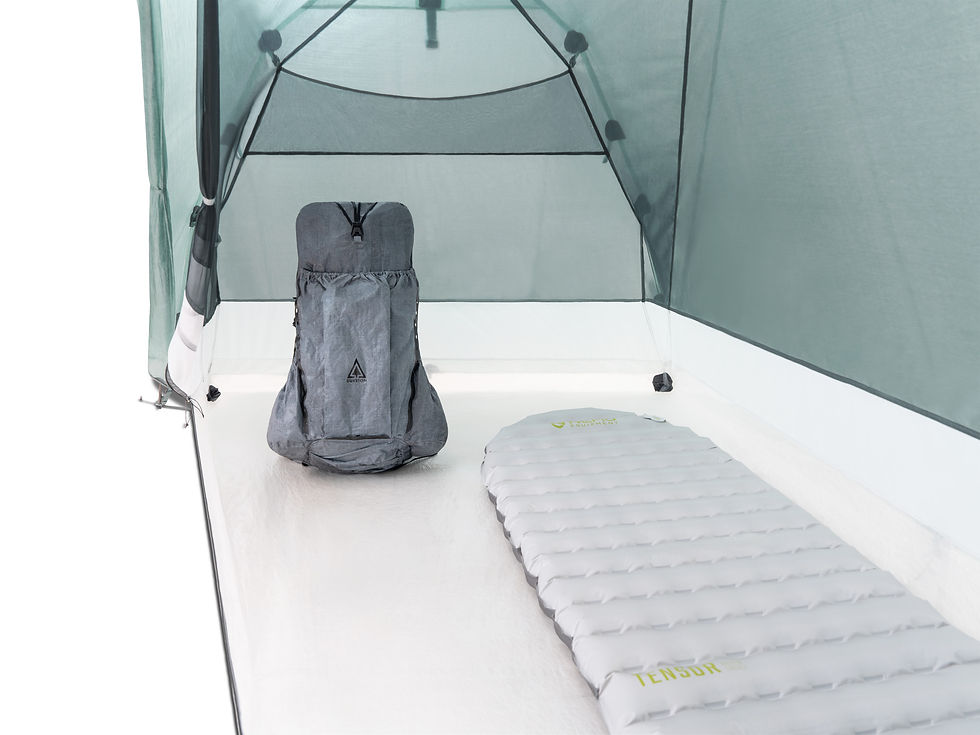
Many of Kaljouw’s expeditions take place beyond the reach of evacuation or external support. On Mount Sidley in Antarctica, the southernmost volcano on Earth, his team of three operated more than 1,000 kilometers from the nearest assistance. Temperatures dropped to minus 42 degrees Celsius. High winds threatened to destroy tents, the only shelter available. Survival depended on securing anchors, maintaining equipment and adhering to strict routines.
In such conditions, errors compound quickly. Kaljouw emphasizes that success is rooted in discipline rather than improvisational heroism. Tasks are repeated, systems checked and resources managed conservatively. Isolation also shapes mental resilience. Without outside input, decision-making becomes deeply internal. Fear is acknowledged as a functional response rather than suppressed.

At 6,700 meters on Ojos del Salado in Chile, the highest volcano on Earth, Kaljouw injured his knee roughly 200 meters below the summit. Deep snow concealed sharp rock, making each step painful and unstable. Rather than pushing aggressively or stopping frequently, he adjusted his strategy.
Fear is a signal, not an enemy—it sharpens awareness and forces careful decision-making
A slower, continuous pace reduced strain and preserved energy. The decision allowed him to reach the summit and descend safely. The experience reinforced a core principle of expedition climbing: progress depends less on force and more on adaptation.
A similar lesson emerged in Papua New Guinea during an ascent of Mount Giluwe. Miscommunication with porters left the team with minimal supplies. After a porter disappeared with remaining food, Kaljouw and his companions navigated dense rainforest for several days with limited provisions. Navigation skills, water sourcing, pacing, and decision-making under fatigue proved critical. The team reached safety through discipline rather than speed.
Climbing volcanoes across continents has provided Kaljouw with direct exposure to climate-driven change. Retreating glaciers, altered snow accumulation, and stressed ecosystems are visible even in remote regions. Volcanic ecosystems often support specialized plant and animal life adapted to mineral-rich soils, heat, and instability. These systems are resilient but limited. Rising temperatures and increased human presence strain their capacity to recover.

Kaljouw views these observations as a call for responsible exploration. Route discipline, waste management and minimizing environmental impact are treated as essential components of expedition planning.
Preparing for volcanic ascents across diverse climates requires adaptability. Kaljouw’s training emphasizes cardiovascular endurance, functional strength, and load-bearing capacity. Environmental preparation includes heat acclimation for tropical regions and cold exposure training for polar conditions.
The true challenge isn’t the summit; it’s facing the raw, unforgiving wild and finding the strength to keep moving when everything else seems lost
Equipment selection prioritizes reliability and efficiency. Weight is minimized without compromising safety. Teams share gear strategically to reduce individual load. However, Kaljouw consistently emphasizes that skills outweigh equipment. Navigation, first aid, and problem-solving often determine outcomes when conditions deteriorate or gear fails.
Despite the rarity of completing the Volcanic Seven Summits, Kaljouw avoids framing the achievement as competitive. Instead, he describes a small, informal network of climbers who share information, hazards, and lessons learned. The responsibility, he believes, lies not only in reaching summits but in documenting conditions accurately and communicating risks honestly. Volcanoes, he notes, are indifferent to human ambition.
Standing on volcanic summits has reshaped Kaljouw’s understanding of success. Achievement is no longer defined by recognition or records but by judgment, preparation, and the ability to return safely. Exposure to Earth’s most active landscapes reinforces a consistent message. Human presence is temporary. Decisions matter. Respect for environmental forces is not optional.
Success in extreme environments comes not from pushing harder, but from flexibility, patience, and finding a way to keep moving forward despite setbacks
For those drawn to extreme environments, Kaljouw emphasizes patience and preparation, lessons distilled from the long, deliberate journey chronicled in A Million Steps on Lava. Fear is information. Experience is cumulative. Responsibility extends beyond the individual. On terrain shaped by heat, pressure, and time, humility remains the most reliable survival strategy.

Readers are warmly invited to follow Ricardo’s continued expeditions as he journeys to reach a volcanic world record | Instagram: @sevenvolcanicsummits


.png)