How to camp, Expert shares practical advice for first-time campers
Updated: Aug 13
Experienced camper Courtney Rohrig offers tips on gear, campsite selection, safety and Leave No Trace principles to help beginners build confidence outdoors.
BY Ara G., July 2, 2026
CAMPING TIPS

Camping has become more visible in American outdoor culture, social media feeds are filled with carefully arranged campsites, customized vans and remote destinations framed as escapes from modern life.
For many newcomers, however, the reality of spending nights outdoors remains less about aesthetics and more about preparation, safety and environmental awareness. So, the question is: How exactly do you camp?
For avid camper Courtney Rohrig (@justamountainbean), camping begins before a tent is pitched.
“If you are new to camping, I always recommend picking a campground or state park that is close to a town in case you forgot anything and you can get phone service," she says. "I would also say for your first few times stay closer to home. If you need to leave you can pack up and head out, you won't want a long drive ahead of you so pick a comfortable driving limit for yourself.”
Courtney, who has spent years camping in state parks and public lands across the eastern United States, believes one of the most common mistakes beginners make is assuming popular gear will automatically meet their needs. Outdoor retailers and social media influencers often promote specific brands and products, but field testing remains one of the most effective ways to evaluate equipment.
Before taking new gear into the field, Courtney recommends testing it in a controlled environment. Setting up a tent in a backyard, sleeping on a new mattress pad or cooking with a camp stove before departure can reveal problems that are difficult to solve once a trip is underway. Trial runs also help campers identify unnecessary items and distinguish between essential equipment and excess weight.
Courtney’s five essentials:
● A tent: Having a place to sleep and be protected from the elements, bugs and wildlife is a must for me.
● A camp stove: I love my Coleman Cascade stove; it cooks evenly, cleans easily, and is not overly heavy.
● Lighting: I have a set of string lights and lanterns I love to use. They help to be able to see once the sun sets and creates a cozy glow. Of course I have a small flashlight that always stays packed in my tent bag too.
● A first aid kit: A must. You never know what could happen and having a good kit with you is
essential. Depending on how many people are camping with you and for how long, make sure you have enough supplies. There are some great first aid kits out there that will cover many injuries or accidents.
● A nice sleeping bag or blanket: Temperatures can fluctuate even in the summer where I camp and being able to have a sleeping bag that can adjust to the temperatures is great. I have the Kelty double sleeping bag and it has a two layer blanket system that can let me adjust to the temperature.

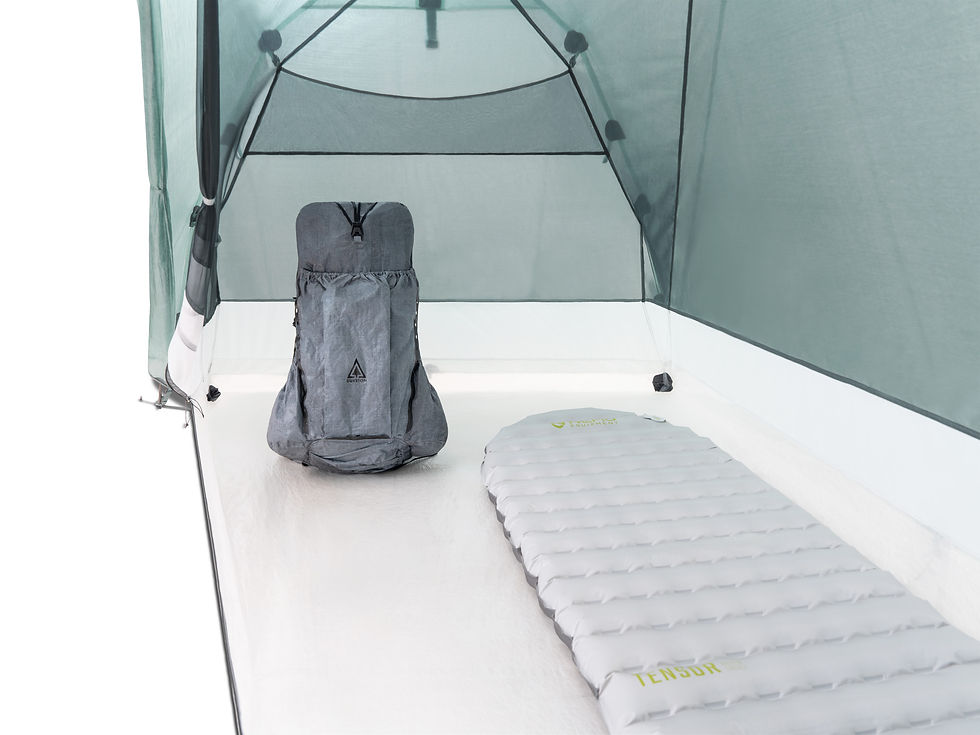
As for sleep equipment, this area is where Courtney believes investment can make a meaningful difference. In recent years, advances in sleeping pads and mattress systems have improved insulation and comfort, particularly for side sleepers and campers facing colder conditions. While entry-level options can be effective, poor sleep often contributes to fatigue, reduced situational awareness and diminished enjoyment outdoors.
"I finally took the plunge this season and upgraded my sleeping mattress"
At the same time, Courtney cautions against assuming higher prices always translate into better experiences. Storage systems, for example, have become increasingly specialized, with manufacturers marketing rugged containers designed for outdoor use. While organization is important, she states that many campers can achieve the same results with less expensive alternatives that keep gear dry and accessible.
“There are many brands out there that claim to have the best box for storage," she says."While they can be great, you don't need name brand bins for everything. Staying organized is key to being able to pack easily and keep your camp trip running smoothly. I have switched my bins a few times, starting with using ones I had on hand and then switching over."
For first-time campers, location selection presents a common challenge. Public campgrounds and state parks continue to serve as entry points for many people entering outdoor recreation. These locations typically provide amenities such as bathrooms, designated campsites and proximity to nearby communities. Courtney recommends that beginners choose destinations close to home and within reach of basic services.

Another important variable to consider: Weather. According to Courtney, monitoring forecasts should begin well before departure and continue through the duration of a trip. Rather than treating storms as inconveniences, she views them as hazards requiring active planning.
"I have boxes from Ezy storage, their bunker tough line, and they are comparable to those fancy gear boxes you see. More than half the price of others and do well keeping everything dry and dirt free. Figure out what works best for you to stay organized.”
Campers should identify potential shelter locations upon arrival and establish procedures before conditions deteriorate. Vehicles, permanent structures or designated storm shelters may provide safer alternatives than remaining in a tent during severe thunderstorms.
“The first thing I always do when setting up my tent is look up," Courtney says. "Check out the trees above, do any look like they may be dead, branches loose or appear to be able to fall if a strong wind comes through. Make sure that what is above you will be safe in a storm. I've been through a few thunderstorms now and as a car camper I know I have that to always get in if I need. Make a plan, make sure everyone knows the plan, and always check the weather consistently.”
New campers should further be aware of an essential component of camping culture: Environmental consideration. As visitation increases across public lands, resource managers face growing challenges related to litter, habitat disturbance, and campsite degradation.

For Courtney, one of the most important principles is simple: leave campsites in better condition than they were found. The practice aligns closely with Leave No Trace ethics, which encourage visitors to minimize environmental impacts and reduce long-term damage to natural areas. She also emphasizes consideration for other campers, a rule she says is often overlooked.
“The biggest rule that should always be followed is ‘carry in-carry out.’ Respect nature and pick up after yourself. Always leave the site better than you found it and never leave behind a mess. We are the caretakers and need to remember that.”
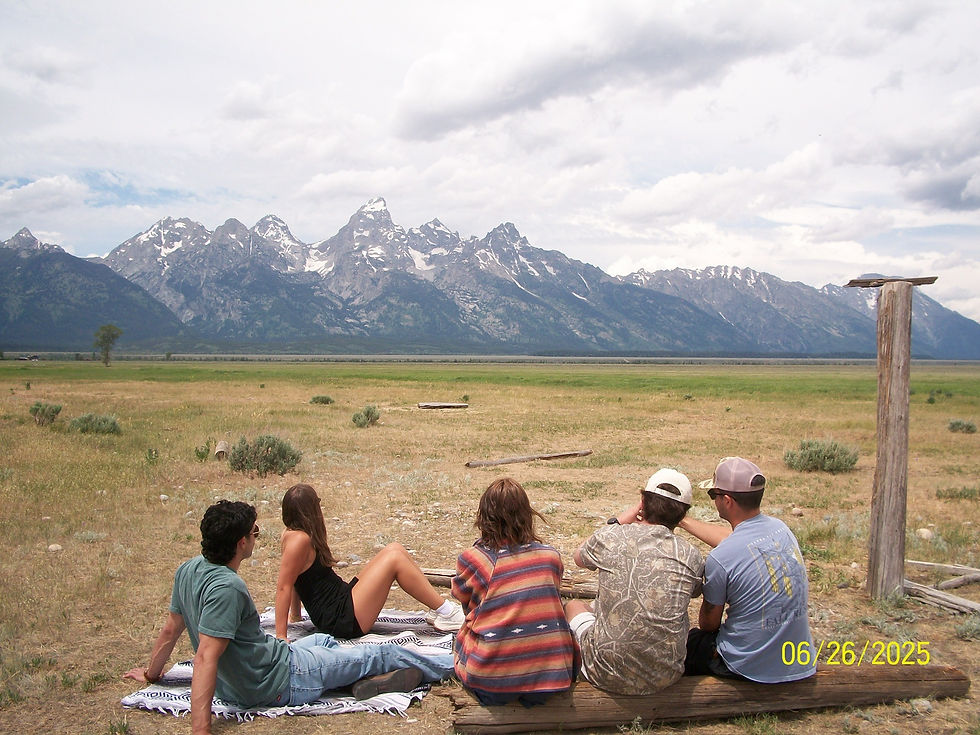
Courtney’s own camping experiences frequently center on activities such as hiking, paddling, and exploring public lands. She describes some of the most meaningful moments as the simplest: Observing birds, seeing how moss is growing, spotting a cool rock formation, and searching for salamanders.
“It was like a big book of eye spy outdoors, in a way it still is, but now I understand it's more of just slowing down and truly noticing. I want to continue to slow down, explore, and notice what is around me.”

The most rewarding camping trip, Courtney shared, is not necessarily the most remote or the most photographed. It is the one that encourages people to step outside, pay attention to the landscape around them, and return with a deeper understanding of the places they visited.
Courtney’s Camping Snack of Choice: "Classic s’mores, you simply can’t go wrong with them."
You are invited to follow Courtney’s continued journey and camping know-hows on Instagram:


.png)