top of page

Do You Really Need a Tent? Inside the Ultralight Shelter Shift

  • Writer: UNPLUG. Magazine
    UNPLUG. Magazine
  • May 14
  • 4 min read

From ultralight tarps and bivy sacks to camping under the sky, backpackers are rethinking what shelter really means and how much comfort they’re willing to carry.


BY KAY ESPOSITO, MAY 12, 2026

GEAR TIPS


For most backpackers, the tent is the default. It’s the psychological end of the hiking day: stakes in the ground, zipper closed, world outside. But in the last decade, that default has started to shift.


Across long-distance trails, ultralight backpackers, thru-hikers and fastpackers are rethinking what “shelter” even means. Some are swapping traditional tents for tarp systems or trekking-pole shelters. Others are pairing ultralight tarps with bivy sacks. A smaller group skips shelter entirely on certain nights, choosing what’s commonly called cowboy camping, sleeping directly under the open sky when conditions allow. It is not a rejection of safety. It is a recalibration of weight, weather judgment and comfort.


And like most gear debates, there is no single right answer.


Tents: familiar, reliable and still widely used

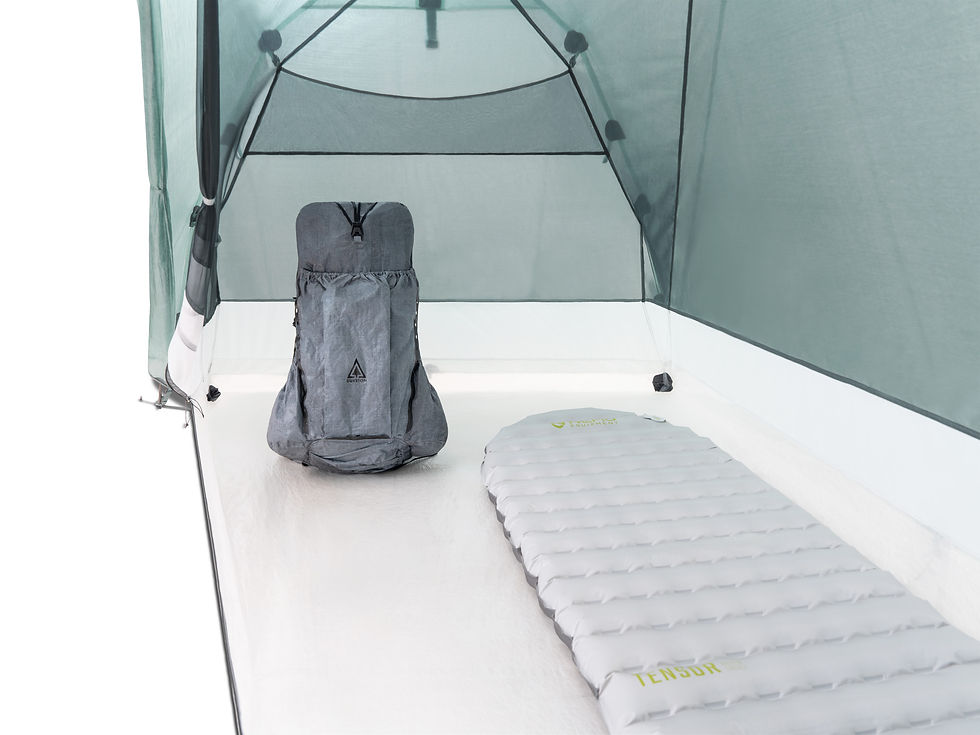
Modern backpacking tents remain the most common shelter system for a reason. They offer enclosed protection from wind, rain and insects, along with defined living space that makes camp life easier in poor conditions. Freestanding and semi-freestanding tents from brands like Big Agnes, MSR and NEMO Equipment dominate the mainstream backpacking market. They are designed for predictable setup, storm protection and livability.


For many hikers, especially beginners or those in wet or buggy environments, a tent remains the most forgiving option. It also requires the least skill to deploy in bad weather a factor that matters more than weight once conditions turn. But even among traditional users, there is a growing acknowledgment: tents come with tradeoffs. They are heavier than minimalist systems, slower to dry and often bulkier in a pack.


Tarps and trekking-pole shelters: the ultralight pivot

At the center of the shift is the tarp system. A tarp shelter can be as simple as a single sheet of waterproof fabric pitched with trekking poles, trees or guy lines. In its simplest form, it is open on multiple sides.


In more advanced versions, it becomes a shaped tarp tent, a hybrid that adds partial enclosure and bug protection while staying significantly lighter than most tents. Brands like Durston Gear and Hyperlite Mountain Gear have helped push this category into mainstream ultralight backpacking, especially among hikers targeting low base weights.

Hyperlite Mountain Gear UltaMid 1

The appeal is straightforward: less weight, fewer materials, faster setup once mastered. The tradeoff is exposure. Tarps demand better site selection, more attention to wind direction and a higher tolerance for weather variability. In heavy rain or bug pressure, they can feel less like a room and more like a system.


Bivy sacks: the minimalist middle ground

Between tents and tarps sits the bivy sack, one of the most misunderstood shelter systems in backpacking. A bivy is essentially a waterproof sleeping bag cover that increases weather resistance and can add warmth, but it does not create interior space like a tent.


Outdoor Research Helium Bivy

Modern bivy designs often include breathable fabrics and bug netting, making them more refined than the early emergency versions used by mountaineers.


Brands like Outdoor Research and Borah Gear are common among ultralight hikers who pair bivies with tarps or use them solo in stable conditions. The advantage is simplicity. The disadvantage is obvious: limited room, condensation management and less comfort in prolonged storms.


No shelter at all

At the far edge of the spectrum is camping with no shelter, sleeping without a tent, tarp or bivy. It is exactly what it sounds like: a sleeping bag, a ground pad and open air. The practice has grown in popularity among ultralight hikers and experienced backpackers who pick weather windows carefully and prioritize minimal setup.


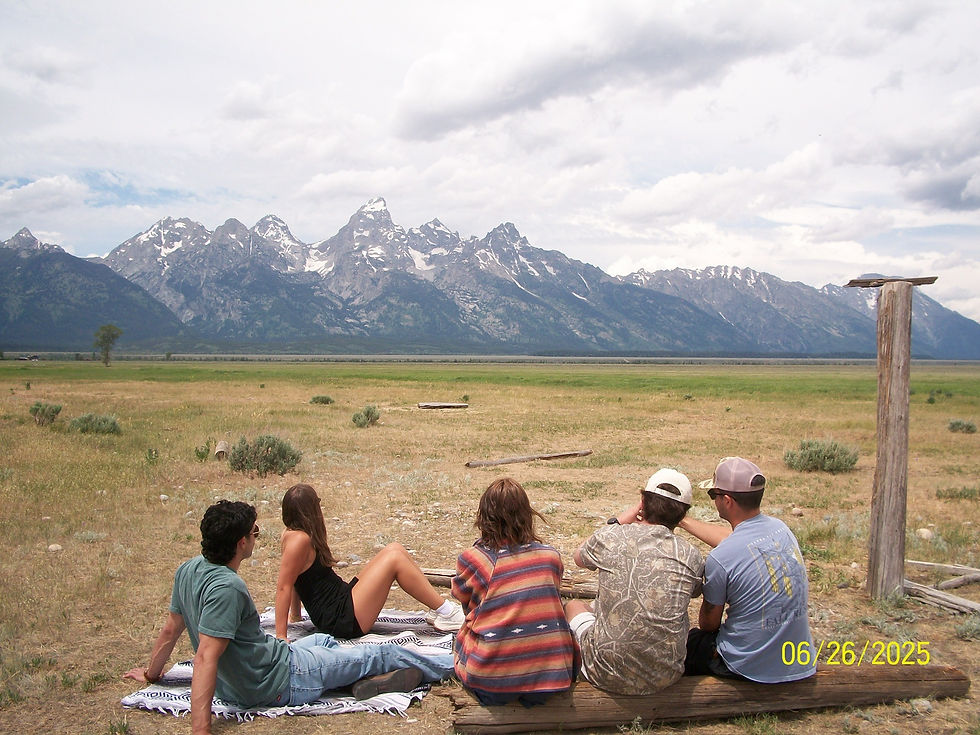
In ideal conditions, it offers something no shelter can replicate: direct exposure to the night sky, no setup time and no barrier between the sleeper and the environment. But it also removes every layer of protection. Rain, dew, insects and wind become immediate factors. Most hikers who cowboy camp do so selectively, not as a default system.


The real dividing line: skill, not gear

The shelter debate often gets framed as gear versus gear. Tent versus tarp. Bivy versus nothing.

In practice, it is more about experience than equipment. A tent can still fail in the wrong conditions. A tarp can perform well in the right hands.


A bivy can be either liberating or frustrating depending on weather and expectations. Experienced backpackers tend to converge on the same principle: the lighter and more minimal the system, the more judgment it requires in the field. That includes reading weather, choosing terrain, managing moisture and knowing when not to push it.


So what is actually “best”?

There is no universal winner. Tents remain the most versatile and forgiving shelter. Tarps and trekking-pole systems offer efficiency and weight savings for those willing to accept more exposure and skill requirement. Bivies fill a niche for minimalist protection. Cowboy camping sits at the edge of comfort and conditions.


Most hikers eventually land somewhere in between, adjusting systems by season, terrain and trip length. Because in the outdoors, shelter is not just about staying dry. It is about how much uncertainty you are willing to carry or leave behind.

bottom of page