Patience on the Water
Updated: Aug 13
Blending self-taught angling with mindful exploration, Sofia @wildbysofia_ uses fishing as both a practice in patience and a way to deepen her connection to the ecosystems she moves through.
BY ARA SANDERSON, June 8, 2026
FISHING TIPS

On Instagram, Sofia—@wildbysofia_, shares a window into a life shaped by fishing, camping and wandering through remote places. She’s part of a new wave of anglers mixing real outdoor skills with storytelling, all while keeping a strong focus on respecting the land and leaving it better than they found it.
Unlike many anglers who inherit fishing traditions through family members, Sofia found it on her own. Her interest developed as she spent more time outside, where mountains and undeveloped terrain provided a sense of scale that made everyday problems appear less immediate and less consuming.
Fishing gradually became the anchor for these experiences. For Sofia, it’s less about the catch and more about slowing down, an exercise in patience and observation that reveals how aquatic ecosystems actually work.
“I think fishing is about learning to respect nature and learn patience and at the end of the day Mother Nature is always in charge,” she says. “It’s very meditative and keeps the mind super busy. Anything could happen at any time.”

Time spent deep in these environments tends to reshape how people think about conservation. Immersed in it all, anglers start to see fish as part of a bigger system where water quality, habitat and seasonal cycles all work together to keep things in balance.
Environmental responsibility is central to Sofia’s time outdoors. She follows Leave No Trace principles and local regulations, keeping her impact light, packing out waste, respecting catch limits and staying mindful of the rules that help protect fish populations for the long haul.
“Immersing yourself in the ecosystem changes the way you see everything. You learn to respect the fish, the animals and the balance they live within. It makes you more mindful of the food we eat and the work behind what we buy.”
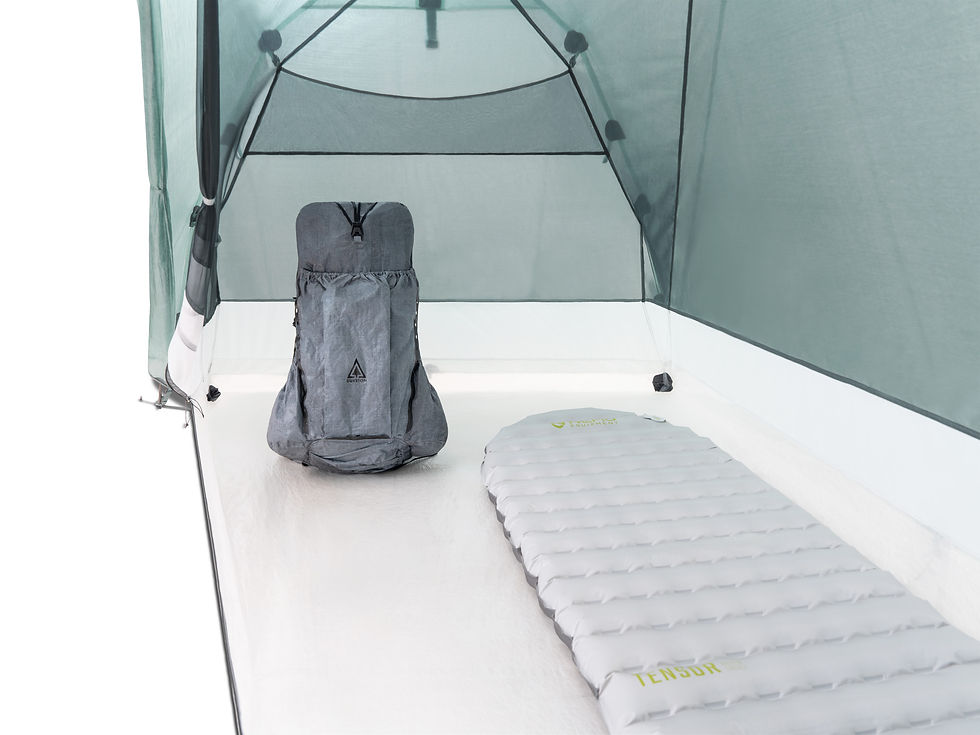
On multi-day trips, her camping routine stays simple, shaped by the weather and whatever gear she has. Cold mornings usually start slow in the tent, where getting out of a warm sleeping bag takes some convincing.
Coffee comes first, quick, hot and enough to get moving. Once the stove’s going, breakfast follows, typically something easy like eggs and bacon that can be cooked with minimal gear. Food at camp stays intentionally simple.
Meals are usually built around fresh meat picked up before the trip, cooked in a single pan over a camp stove or a small, controlled fire Her fishing approach on these trips is all about reading the moment. Sofia leans into a simple rule many seasoned anglers know well: if a spot isn’t producing bites, move on and try new water.
If you get at least one bite you have to stay
Fishing also builds patience. Hours can pass with nothing happening, and sometimes the only catch shows up right before packing up. Sofia’s first time fly fishing even turned into an eight-hour lesson in untangling line. Silence is part of it too. She often skips music on the water, choosing instead to stay tuned into the natural sounds around her.
Nature can be harsh, yet incredibly fragile. Move with care, knowing mistakes are part of learning. Practice Leave No Trace and respect the rules that protect the places you’re in.
Equipment is a key part of both comfort and safety in the field. Sofia highlights a few essentials from her multi-day trips: a portable propane heater like a Mr. Buddy heater for cold nights and mornings, a durable field knife for food prep and gear repairs, a metal pot or cup for hot drinks and simple meals and a Sierra Slammer lure for freshwater fishing.
For beginners, Sofia suggests starting simple: a fishing rod and tackle box, a tent and insulated sleeping bag, fire-starting tools and a compact stove, plus water storage and basic cookware.
A knife and headlamp round out the essentials for early mornings and nights. Extended time outdoors can support mental and emotional well-being. Fishing, in particular, requires focus and presence, which helps cut through the noise of everyday urban life. For beginners, Sofia says a gradual approach works best.

“I think it’s a shame that some people feel opposed to going outside when it’s part of our nature to be there. My advice is to start small with a short hike, then build toward longer hikes, try car camping and eventually work up to hiking and camping together.”
Wherever it happens, fishing remains beautifully simple, hours on the water measured not in catches, but in patience, where even a single fish can turn a quiet day into something meaningful.
You are encouraged to follow Sofia’s continued journey and adventures on Instagram:@wildbysofia_ |Youtube: @Wildbysofia
UNPLUG Magazine


.png)