Why Silver City Remains New Mexico’s Great Adventure Town
Updated: Aug 13
In the mountains and canyons of southwestern New Mexico, Silver City offers a gateway to the nation’s first designated wilderness where river trails, cliff dwellings, dark skies and local haunts still define life at the edge of the map.
BY KAY ESPOSITO, MAY 15, 2026
MOUNTAIN TOWN

Silver City arrives slowly. First come the long desert miles of southern New Mexico, where creosote flats shimmer under a hard blue sky. Then the road begins to climb. Juniper replaces mesquite. Piñon pine creeps across the hillsides. By the time U.S. 180 bends into town, you are nearly 6,000 feet above sea level and standing at the doorstep of one of the wildest landscapes in the Lower 48: the Gila National Forest.
More than 3 million acres of public land spread north into the mountains and canyons of the Gila region
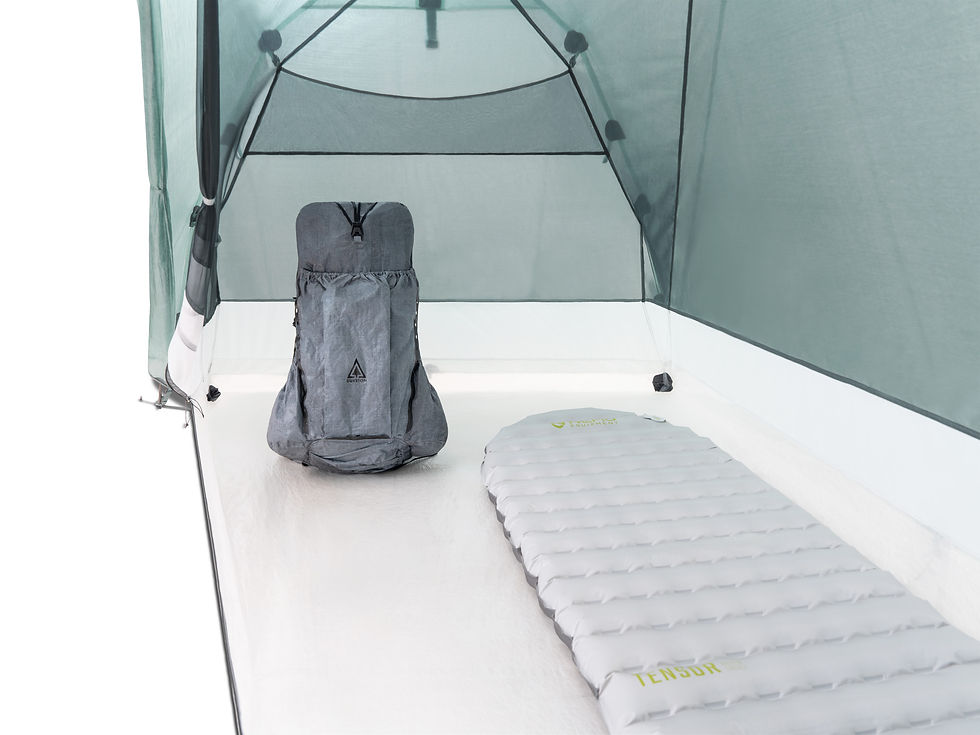
It is part mining town, part college outpost, part artist enclave and part trailhead. The place feels suspended between centuries. Victorian brick buildings line downtown streets. Pickup trucks idle beside Subarus loaded with mountain bikes. Continental Divide Trail. hikers drift through coffee shops carrying sunburned faces and ultralight packs. Beyond town, more than 3 million acres of public land spread north into the mountains and canyons of the Gila region.

For travelers who know New Mexico only through Santa Fe or Taos, Silver can feel like a secret. It sits closer to Arizona than Albuquerque, tucked into the state’s southwestern corner near the ancestral homelands of the Chiricahua Apache.
The town grew rich on silver and copper mining in the late 1800s, but today its currency is wilderness. The Gila Wilderness, established in 1924 through the advocacy of conservationist Aldo Leopold, became the first designated wilderness area in the United States.
That history still shapes the rhythm of the region. In the Gila, roads end abruptly. Cell service disappears. Rivers remain un-dammed and untamed. You come here to disappear a little yourself.
Morning in Silver starts with coffee downtown, usually at a sidewalk table before the sun gains strength. The locals drift toward breakfast at The Jalisco Cafe, where red chile arrives smoky and deep enough to qualify as a personality trait.
Ask for it “Christmas” if you want both red and green chile, though regulars often have fierce loyalty to one or the other. Across town, hikers fuel up before heading north toward the mountains, while ranchers in dusty boots settle into familiar booths without glancing at the menu.
By midmorning, traffic thins and the road toward the Gila opens ahead. New Mexico Highway 15 twists north from Silver through the old mining settlement of Pinos Altos, where weathered wooden buildings still lean into the hillside like leftovers from another century. The drive itself becomes part of the experience: steep switchbacks, dense pine forest and sudden overlooks stretching toward the Mogollon Mountains.

Locals know the road teaches patience. Forty miles can take nearly two hours. Nobody in a hurry belongs here. The farther north you drive, the greener it becomes. Cottonwoods gather along creeks. Wild turkeys move through the understory.
Black bears and mountain lions still roam these mountains, though visitors are more likely to encounter mule deer or hear the distant bugle of elk during fall. The forest shifts constantly between high desert, ponderosa woodland and narrow riparian canyon.
Eventually the road reaches the Gila Cliff Dwellings National Monument, where the Mogollon people built homes into natural caves nearly 750 years ago. The cliff dwellings remain among the Southwest’s most remarkable archaeological sites, not because they are grand, but because they feel intimate.
You can still see handprints darkened into the stone. Smoke stains linger on cave ceilings. Children once played here while the Gila River flowed below, just as it does today.
But the true heart of the Gila lies beyond the monument, where trails disappear into the wilderness itself.
The signature experience here is hiking the Middle Fork of the Gila River, a route that trades elevation gain for immersion. The trail crosses the river again and again, sometimes a few inches deep, sometimes thigh-high after rains, winding through cottonwood groves beneath canyon walls polished by centuries of water. There are no bridges. Wet feet are unavoidable. That is part of the point.

In spring, wildflowers bloom beside the riverbanks. Summer brings monsoon storms that roll dramatically across the mountains each afternoon. Fall may be the region’s finest season, with cool mornings and golden cottonwoods glowing against dark canyon walls. Back in Silver, evenings belong to patios and breweries.
Locals gather at Little Toad Creek Brewery and Distillery, where beer brewed with native wild Gila hops has become a point of regional pride. Live music spills into the courtyard on weekends. Cyclists fresh off the Continental Divide Trail mingle with artists and longtime Grant County residents who can still remember when copper prices dictated the local economy.
The town’s charm comes from its refusal to polish itself too much. Silver remains slightly rough around the edges in the best possible way. Murals brighten alleyways. The historic downtown curves around the Big Ditch, a massive flood channel created after catastrophic flooding destroyed the original Main Street in 1895. Today walking trails wind through the shaded corridor beneath cottonwoods and sycamores.
Even longtime residents speak about the Gila with something approaching reverence. They talk about hidden hot springs, forgotten mining roads and campsites beneath impossibly dark skies. Northwest of Silver, the Cosmic Campground has earned international recognition for its stargazing, though locals often hesitate to advertise it too loudly. The region’s isolation remains part of its magic.

And isolation is increasingly rare in the American West What makes Silver and the Gila endure is not spectacle alone, though the landscape certainly provides it. It is the feeling that the modern world loosens its grip here.
Days become organized around weather, trail conditions and river crossings instead of schedules. Time stretches. In the Gila, wilderness still feels truly wild. Fires reshape the forest. Floods redraw canyons. Nature remains in charge. That reality can be uncomfortable. It is also why people return.
Visitors often arrive expecting desert and leave talking about rivers, forests and mountains. They expect New Mexico clichés and discover something far more layered, a rugged borderlands community where wilderness, history and culture overlap in ways impossible to manufacture.
Silver does not ask to be discovered. It simply waits beyond the last mountain pass, where the road narrows and the maps begin to empty.
To plan your next adventure, visit https://visitsilvercity.org/ or click the image below to be taken to Silver City's website.


.png)