Big Bend After Dark: A Stargazer's Guide
When the sun disappears over West Texas, Big Bend National Park reveals another side of its wild landscape. With exceptionally dark skies, remote campsites and some of the best stargazing in the country, the park turns nighttime into its own outdoor adventure.
BY Stephanie Brower, August 13, 2026
STARS GAZE

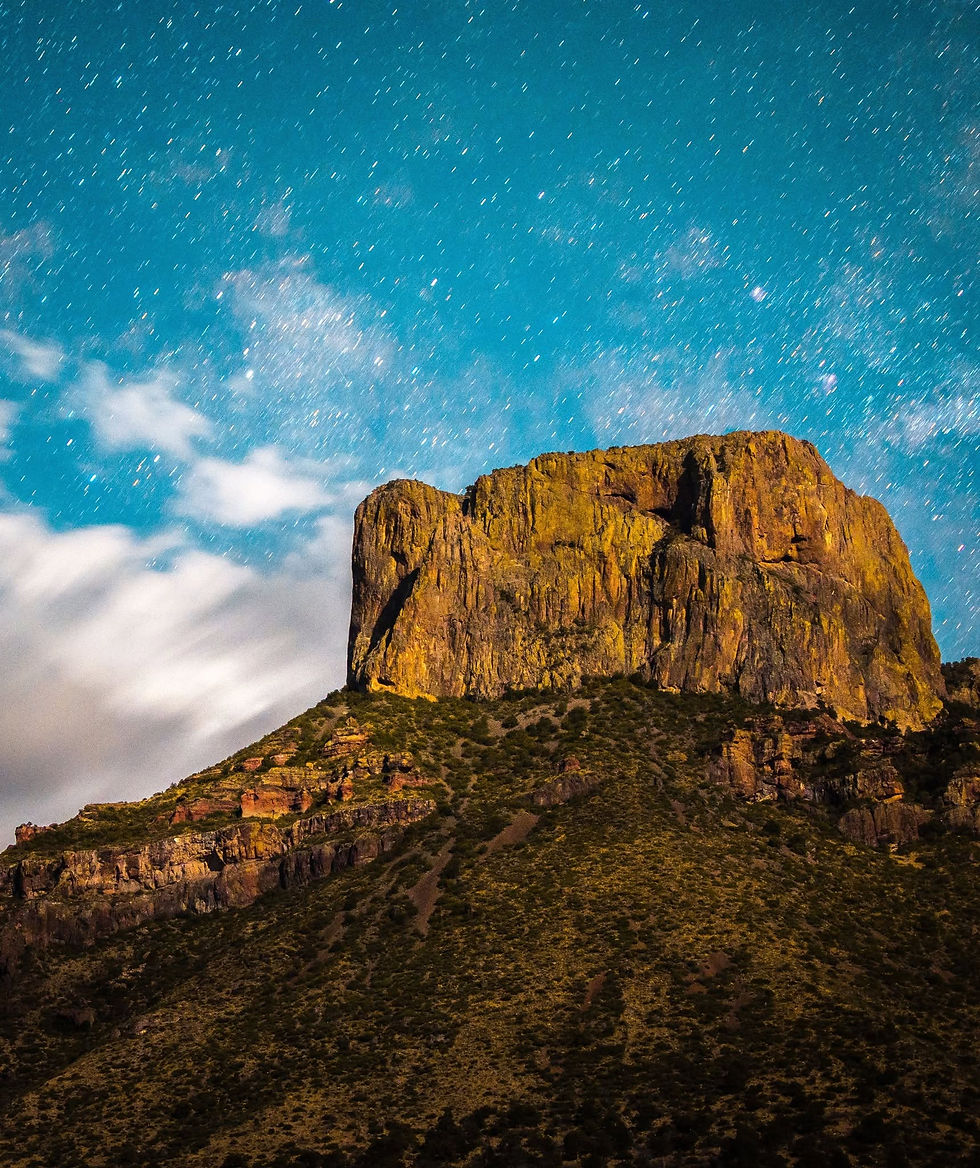
There is a moment in Big Bend National Park when the last light disappears behind the Chisos Mountains and the desert becomes almost completely dark.Then the stars emerge.
One by one, the sky begins to fill until the Milky Way stretches across the horizon in a band of light. Planets become easier to spot. Constellations that disappear beneath city lights become unmistakable. On a clear night, the experience can feel less like looking at the sky and more like standing beneath it.
For travelers accustomed to urban nightscapes, Big Bend offers something increasingly difficult to find: genuine darkness. The park's remote location in far West Texas and limited development help keep artificial light to a minimum. Big Bend National Park has been recognized as one of the best places in the country for viewing the night sky, making an after-dark visit as worthwhile as any daytime hike.
5 p.m. | Start before sunset
A successful night under the stars begins well before the first star appears. Spend the late afternoon exploring one of Big Bend's scenic areas before settling in for sunset. The Chisos Basin is one of the park's most recognizable landscapes, surrounded by rugged mountain peaks and easily accessible by road.
For a shorter evening adventure, the Window View Trail offers an accessible way to experience the Chisos Basin as the sun drops behind the mountains. The paved trail is only a short walk, making it possible to enjoy the changing light without committing to a longer hike.
Another option is Sotol Vista, located along the Ross Maxwell Scenic Drive. The overlook provides a broad view of the Chihuahuan Desert and surrounding mountains, making it a strong place to watch the final minutes of daylight.

Wherever you choose, give yourself time. Big Bend's sunsets can transform the landscape from bright desert colors to deep oranges, purples and shadows before darkness settles in.
7 p.m. | Let your eyes adjust
Once the sun has disappeared, resist the temptation to immediately reach for a flashlight.
Human eyes need time to adjust to darkness. Even a small amount of artificial light can interfere with night vision, so turn down the brightness on phones and use a red light if you need illumination.
This is when Big Bend begins to change. The mountains become silhouettes. The desert quiets. Stars that were difficult to see just minutes earlier begin appearing overhead.
Give your eyes at least 20 to 30 minutes to fully adjust, and the difference can be dramatic.
The park encourages visitors to protect the darkness by using only the light they need and keeping it pointed downward. That helps preserve night vision for yourself and minimizes the impact on other visitors and wildlife.

8 p.m. | Find the Milky Way
The main event is overhead. Big Bend's dark skies make it possible to see far more than a handful of bright stars. On clear nights, visitors may be able to see the Milky Way, planets, meteors and numerous constellations without specialized equipment.
You do not need a telescope to enjoy the experience. Start by simply looking up. After your eyes adjust, identify a few familiar constellations. A basic stargazing app can help, but keep your phone brightness low. Binoculars can also enhance the experience without requiring the setup of a telescope.
The best viewing conditions generally come on clear nights when the moon is less bright. Check the lunar phase before your trip if seeing the Milky Way is a priority. And remember that clouds can change everything. West Texas is known for its dry climate, but weather in the mountains can still shift quickly.
9 p.m. | Choose your adventure
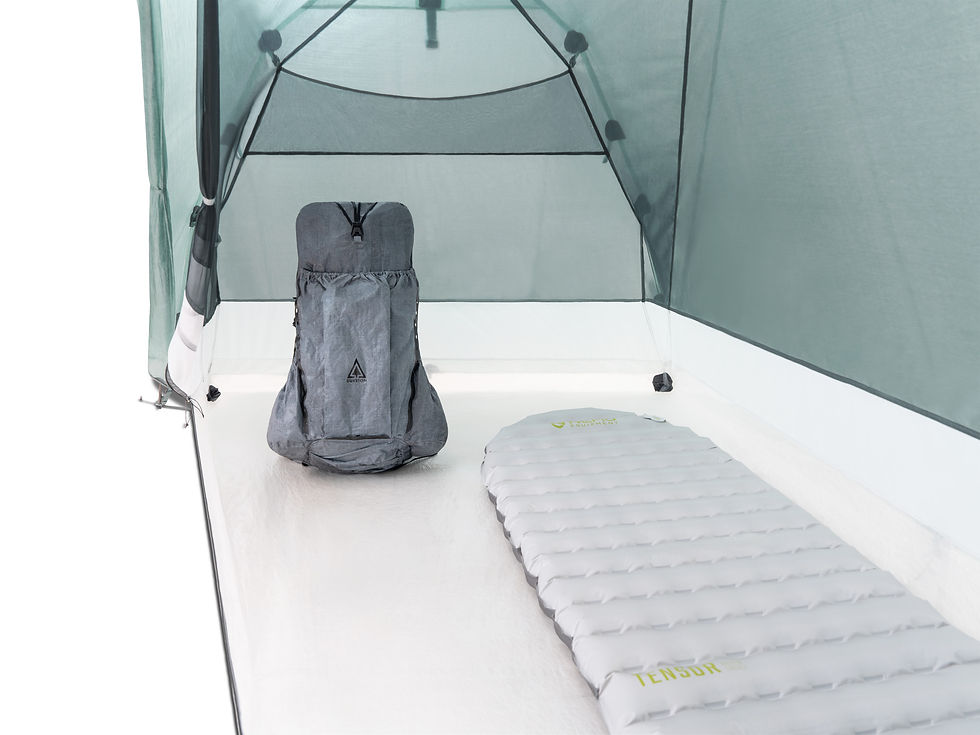
For visitors who want more than casual stargazing, Big Bend offers several ways to make the night an adventure. The park's campgrounds provide a convenient base for spending the night outdoors. Chisos Basin Campground is surrounded by mountains, while Rio Grande Village and Cottonwood Campgrounds offer different desert and river environments.
Backcountry camping is another option for experienced visitors who want to get farther from developed areas. Permits are required for backcountry camping, and visitors should be prepared for limited services, changing weather and rugged conditions. Nighttime is not the time to improvise.
Know your route before leaving. Carry enough water, bring appropriate layers and make sure someone knows your plans. Cell service can be limited or nonexistent in much of the park.
For those staying at a campground, however, the simplest option may be the best one: sit outside your tent, turn off the lights and watch the sky.
10 p.m. | Listen to the desert
Stargazing is not only a visual experience. As nighttime settles over Big Bend, the sounds of the desert become more noticeable. The absence of traffic and urban noise creates a different kind of atmosphere. You may hear wind moving through the landscape, insects, birds or other wildlife.
That quiet is part of what makes the park special. Visitors should avoid approaching wildlife and should never use food or scented items in a way that could attract animals to campsites. At night, it is especially important to remain aware of your surroundings and use a flashlight when moving around unfamiliar terrain. The goal is not to conquer the darkness. It is to experience it.
11 p.m. | Stay for the shooting stars
If conditions are right, stay a little longer. Meteor showers can turn an already impressive night sky into a spectacle. Meteors can appear at any time of year, although major annual showers provide particularly good opportunities to watch for shooting stars.
The best strategy is simple: find a comfortable place, lie back and look toward as much sky as possible. There is no need to stare at one particular constellation. Let your eyes wander.
A meteor can appear unexpectedly, streaking across the darkness for only a second or two.
Bring a reclining camp chair or blanket, dress warmly and give yourself time. Stargazing rewards patience.

Midnight | See Big Bend differently
By midnight, the park you experienced during the day may feel almost unrecognizable.
The dramatic mountain peaks that dominated the landscape in daylight have faded into darkness. Roads that seemed straightforward during the afternoon require greater attention.
Trails become a different experience altogether. That is why visitors should avoid wandering onto unfamiliar trails after dark simply for the sake of exploring. Instead, choose a designated viewing area or campground and make the night about slowing down.
Big Bend does not need much added to make it memorable. The landscape, silence and sky do the work. For photographers, nighttime also offers opportunities that do not exist during daylight. Long exposures can capture the Milky Way above the Chisos Mountains, while landscape photographers can use the silhouettes of desert peaks to create dramatic foregrounds.
A tripod, camera capable of manual exposure and a headlamp with a red-light setting can make nighttime photography easier. But do not spend the entire night behind a camera.
Some moments are better experienced without a screen.

Big Bend is often associated with rugged daytime adventures: hiking mountain trails, exploring desert roads and following the Rio Grande. But after sunset, the park offers an entirely different experience.
There are no crowds around the stars. No trailhead sign is necessary. No summit has to be reached. Just find a safe place, turn off the lights and look up.
In a world where artificial light increasingly dominates the night, Big Bend offers something rare: a chance to see darkness the way nature intended it.
And sometimes, the best adventure begins after the sun goes down.
Plan your adventure at visitbigbend.com. Tell them we sent you!


.png)