Utah Isn’t Subtle. That’s the Point.
- Jan 17
- 3 min read
Updated: Feb 9
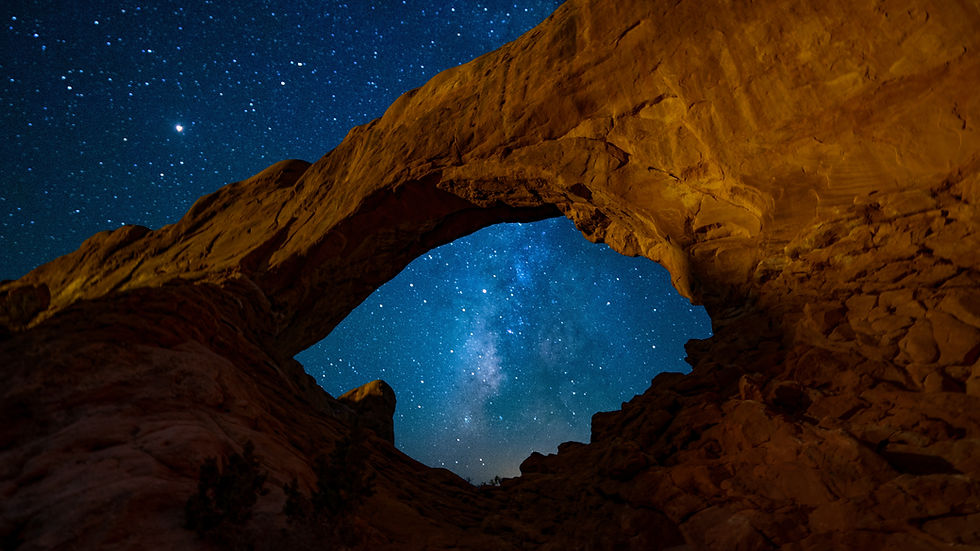
Utah does not ease you into the outdoors. It drops you straight into it.
Red rock arches rise without warning. Slot canyons cut deep into the earth like secrets. Alpine trails climb fast and don’t apologize for it. For hikers, Utah isn’t a destination you casually check off. It’s a place you show up ready—or you learn quickly.
From desert heat to snow-dusted peaks, Utah packs five national parks, dozens of state parks and thousands of miles of trails into one state. What makes it hiker–approved isn’t just the scenery. It’s the access, the variety and the fact that you can hike through completely different ecosystems in a single weekend and still be back in time for a late-night burrito run.
Zion National Park gets the hype, and yes, it earns it. Angels Landing is still one of the most adrenaline-heavy hikes in the country, a narrow spine of rock with chains bolted into it and a view that makes your stomach drop in the best way. But the quieter trails—like Watchman or Emerald Pools—offer the same canyon glow without the full-body fear factor.

Bryce Canyon trades vertigo for wonder. The park’s hoodoos look unreal, especially at sunrise when the rocks turn pink and gold. The Navajo Loop and Queen’s Garden Trail drop hikers into a maze of stone spires that feel closer to a fantasy game than real life.
Arches National Park is where short hikes deliver maximum payoff. Delicate Arch may be the most photographed rock in Utah, but trails like Devils Garden stretch deeper into the park, weaving past fins, arches and views that feel endless. It’s proof that not every epic hike has to be all-day brutal.
For those chasing cooler temps and fewer crowds, the Wasatch Range near Salt Lake City delivers. Trails like Lake Blanche and Mount Olympus climb into alpine terrain with wildflowers, glacier-fed lakes and city views that remind you how close the wild still is.

The Vibe Matters
Utah hiking culture is low drama and high payoff. Trailheads fill early. Locals move fast and pack light. There’s an unspoken rule to respect the land, bring more water than you think you need and turn around if the weather flips. Desert storms and flash floods are real, not aesthetic.
This isn’t about posting one photo and leaving. Utah rewards patience. Sunrise starts matter. So does knowing when to skip the popular trails and chase the less-tagged ones.
Plan Smart or Pay for It
Utah’s beauty comes with conditions. Summer heat in southern parks can hit triple digits. Winter brings snow and ice to higher elevations. Spring runoff can turn slot canyons dangerous fast. Permits are now required for some hikes, including Angels Landing, and reservations are common during peak season.
But with planning comes freedom. The state is road-trip friendly, camping options are everywhere, and small towns near trailheads know exactly how to fuel tired hikers.
Why It Sticks With You
Utah doesn’t just offer trails. It offers scale. The kind that resets your perspective and makes your phone feel small. The kind that reminds you movement is still one of the best ways to understand a place—and yourself.
You don’t leave Utah unchanged. You leave dusty, sore, sunburned and already thinking about when you’ll come back.

For more, check out VisitUtah.com


.png)